.png)

Choosing the Right Baby Carrier for Your Lifestyle
- mollie643
- 2 days ago
- 4 min read
Finding the perfect baby carrier can feel overwhelming, especially with so many options available. Whether you're a busy parent on the go, a stay-at-home caregiver, or someone who enjoys outdoor adventures, the right carrier can make a significant difference in your daily routine. This guide will help you navigate the various types of baby carriers, their features, and how to choose one that fits your lifestyle.

Understanding the Different Types of Baby Carriers
Before diving into the specifics, it's essential to understand the different types of baby carriers available. Each type has its unique features and benefits, catering to various needs and preferences.
Soft Structured Carriers (SSC)
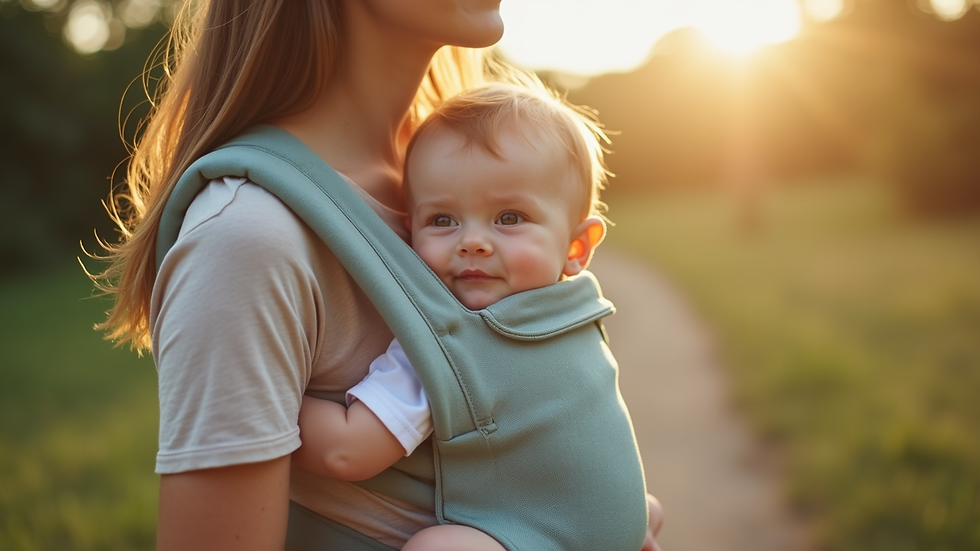
Soft structured carriers are popular for their ease of use and comfort. They typically feature padded shoulder straps and a supportive waist belt, making them suitable for longer wear.
Pros:
- Easy to put on and take off.
- Provides good support for both the baby and the wearer.
- Adjustable for different body types.
Cons:
- Can be bulky for travel.
- Some models may be expensive.
Wraps
Wraps are long pieces of fabric that you tie around your body to create a snug hold for your baby. They offer versatility in carrying positions.
Pros:
- Can be adjusted for a custom fit.
- Lightweight and compact for travel.
- Suitable for newborns and toddlers.
Cons:
- Requires practice to master the tying technique.
- May not provide as much support for heavier babies.
Mei Tais
Mei Tais are a hybrid between wraps and soft structured carriers. They consist of a rectangular piece of fabric with straps that tie around the waist and shoulders.
Pros:
- Offers a comfortable fit for both baby and wearer.
- Versatile for different carrying positions.
- Can be used for newborns and toddlers.
Cons:
- Requires some practice to tie correctly.
- May not be as quick to use as SSCs.
Sling Carriers
Sling carriers are typically made from a single piece of fabric that you wear over one shoulder. They are great for quick trips and short outings.
Pros:
- Easy to put on and take off.
- Compact and lightweight.
- Allows for easy breastfeeding.
Cons:
- May not provide enough support for longer wear.
- Can be uncomfortable for heavier babies.
Factors to Consider When Choosing a Baby Carrier
When selecting a baby carrier, consider the following factors to ensure it meets your needs:
Comfort
Both you and your baby should feel comfortable in the carrier. Look for padded straps, breathable fabric, and adjustable features. Test the carrier with your baby to ensure it distributes weight evenly.
Safety
Safety is paramount when carrying your baby. Ensure the carrier meets safety standards and provides proper support for your baby's head, neck, and spine. Always follow the manufacturer's guidelines for age and weight limits.
Ease of Use
Choose a carrier that is easy to put on and take off, especially if you plan to use it frequently. Some carriers come with buckles and clips, while others require tying. Consider your comfort level with each method.
Versatility
If you plan to use the carrier for different activities, look for one that offers multiple carrying positions. Some carriers allow you to wear your baby on your front, back, or hip, providing flexibility as your child grows.
Lifestyle Compatibility
Think about your daily routine and how the carrier will fit into it. If you enjoy hiking or outdoor activities, a more robust carrier with additional support may be necessary. For urban living, a lightweight and compact option might be ideal.
Popular Baby Carrier Brands
Several brands are known for their quality and innovative designs. Here are a few to consider:
Ergobaby
Ergobaby carriers are well-regarded for their ergonomic design and comfort. They offer a range of options, including soft structured carriers and wraps, catering to various preferences.
BabyBjörn
BabyBjörn is known for its user-friendly designs and safety features. Their carriers are easy to use and provide excellent support for both the baby and the wearer.
Tula
Tula carriers are popular for their stylish designs and versatility. They offer a range of options, including soft structured carriers and toddler carriers, making them suitable for different stages of your child's development.
Boba
Boba specializes in wraps and soft structured carriers that prioritize comfort and ease of use. Their products are designed for parents who want a snug fit without sacrificing support.
Tips for Using a Baby Carrier
Once you've chosen the right carrier, here are some tips to ensure a positive experience:
Practice Makes Perfect
Take the time to practice putting on and adjusting the carrier before heading out. This will help you feel more confident and comfortable when it's time to use it.
Check for Proper Fit
Ensure the carrier fits snugly but not too tight. Your baby should be secure, but you should also be able to move comfortably. Adjust the straps as needed for the best fit.
Monitor Your Baby's Position
Regularly check your baby's position to ensure they are safe and comfortable. Their knees should be higher than their bottom, and their chin should not be resting on their chest.
Stay Hydrated and Take Breaks
If you're wearing your baby for an extended period, remember to stay hydrated and take breaks as needed. This will help prevent fatigue and discomfort for both you and your baby.
Conclusion
Choosing the right baby carrier can enhance your parenting experience, making it easier to bond with your baby while maintaining your lifestyle. By understanding the different types of carriers, considering your comfort and safety, and selecting a brand that aligns with your needs, you can find the perfect fit. Remember to practice using your carrier and monitor your baby's position for a safe and enjoyable experience.
As you embark on this journey, take the time to explore your options and find a carrier that truly supports your lifestyle. Happy carrying!

Comments